
What to grow
Pick the crop by its margin, not its novelty.
The system will grow a great many things — leafy greens, herbs, berries, small fruits. But a tower is a capital asset, and a capital asset should be planted with whatever pays it back fastest. These four do.
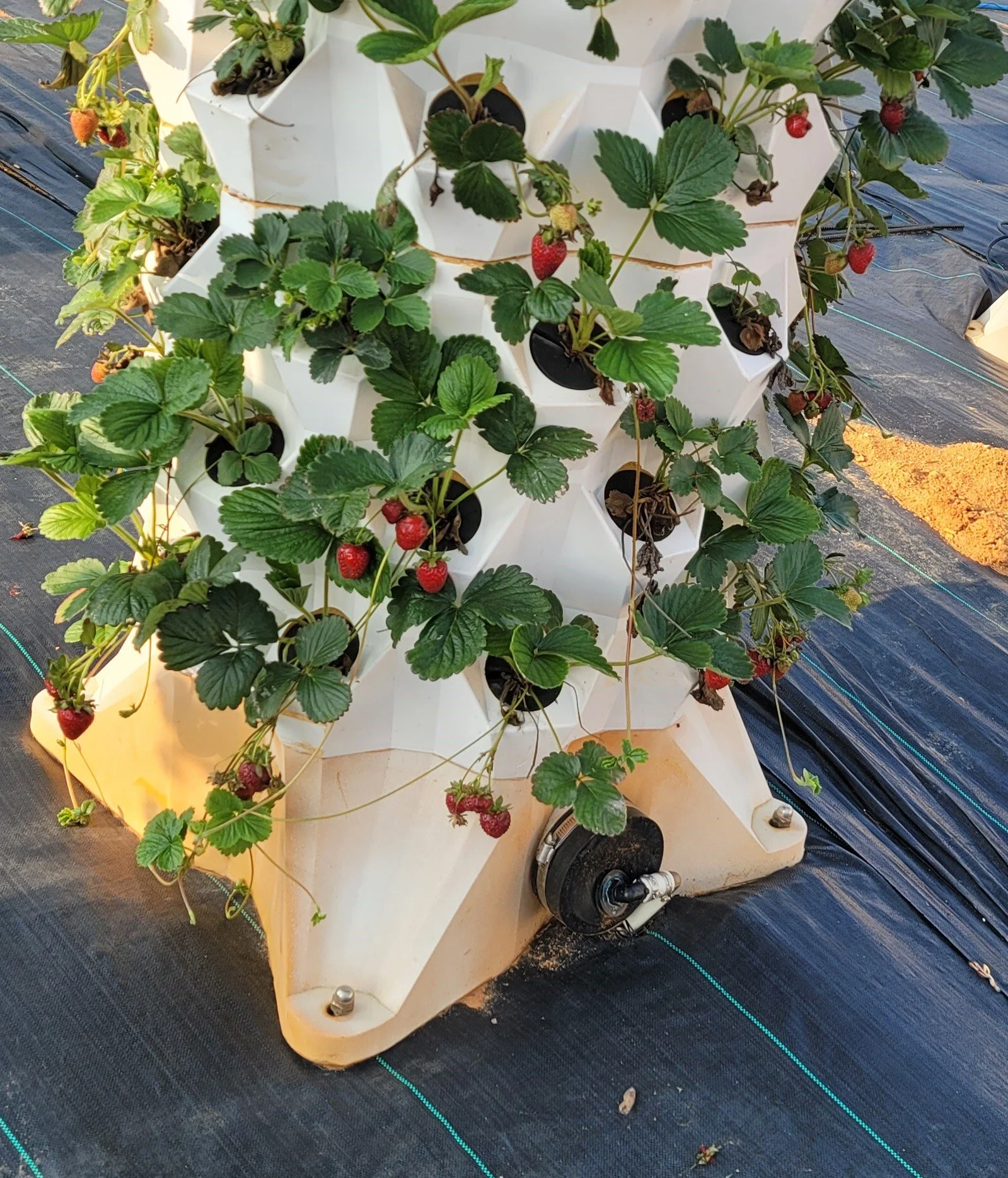 Highest margin
Strawberries
The premium crop the towers were built to prove.
Why it sells → Fastest cycle
Lettuce
The workhorse. Fastest turn, steadiest demand.
Why it sells →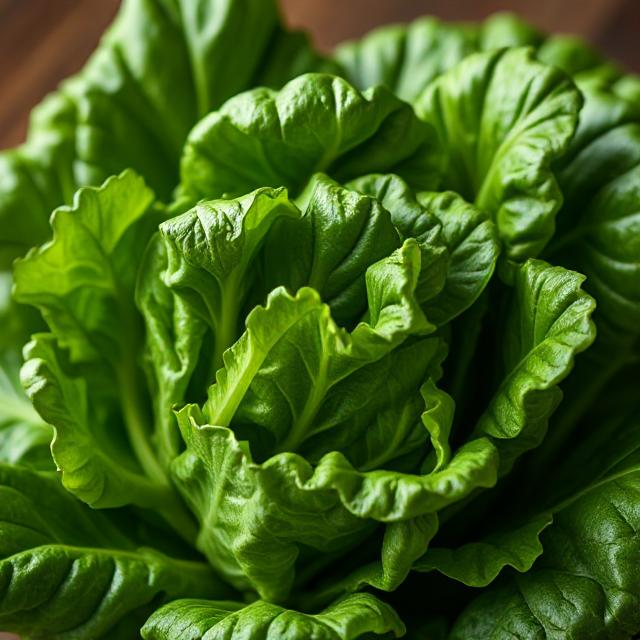 Clean-label premium
Kale
A superfood that pays a premium for being clean.
Why it sells →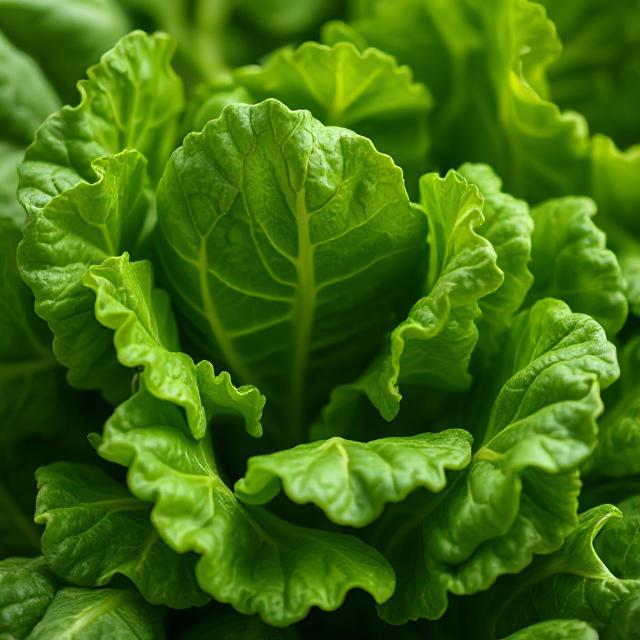 Cut-and-come-again
Spinach
Harvest the same plant more than once.
Why it sells →The flexibility argument
The soil decides what you grow. Nothing here does.
A conventional farm is married to its dirt. Your soil chemistry, your climate and your season decide the crop, and changing your mind means changing your ground.
A tower has no such opinion. Nutrient mix is tuned per crop and per variety, the climate is whatever you set it to, and the season does not exist. If the market moves — if berries suddenly pay double what greens do — you replant into the same hardware and follow the money.
Grow what sells. Change your mind in 3–4 weeks.
Or do not choose at all
You are not picking one crop. You are picking a recipe per pod.
Nutrients are dosed centrally, per pod — one tank, its own pumps, 16 to 96 towers. Every pod carries its own recipe, so the strawberries in one section of the field have nothing to do with the lettuce in the next. Want four crops? Run four pods.
Hedge across markets
A single-crop farm lives and dies on one price. Run four recipes and a bad quarter in berries is cushioned by a good one in greens.
Sell a range, not an item
Grocery and foodservice buyers would rather place one order than four. A facility with several pods can be their whole produce line, not one line item.
Trial without risk
Try a variety you are unsure about in a single pod. If it does not sell, you have lost one pod for one cycle — not the field for the year.
Tell us your market and we will tell you your crops.
Bring the buyers you already have — or the ones you want. A grower consult works backwards from what your market pays to what you should be planting, and in how many pods.